Burgy Banks. St Helens.
Moss Bank, March 2025.
Moss Bank, March 2025.
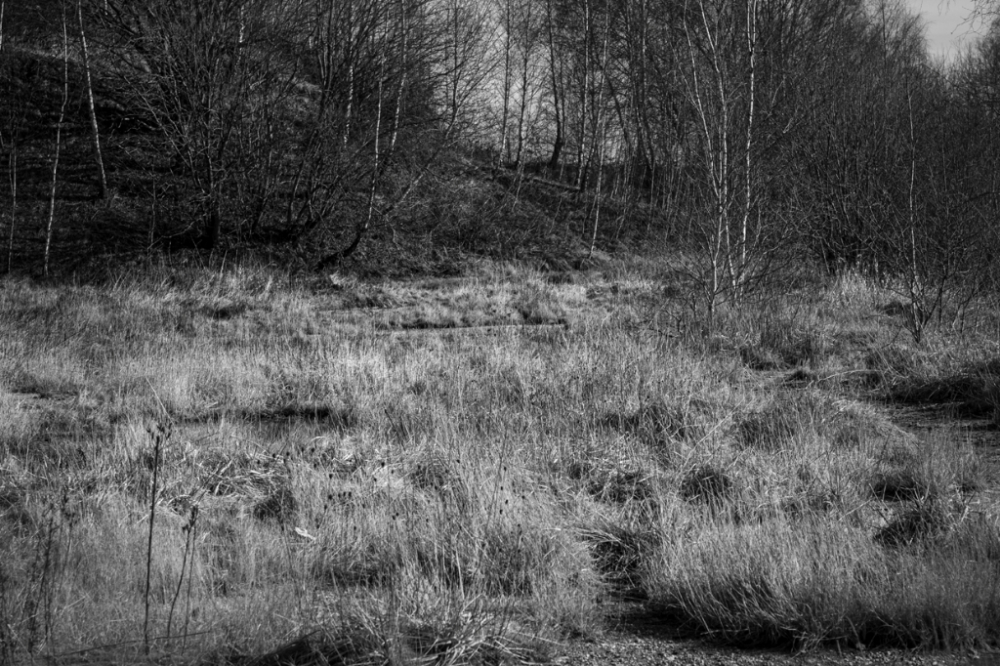
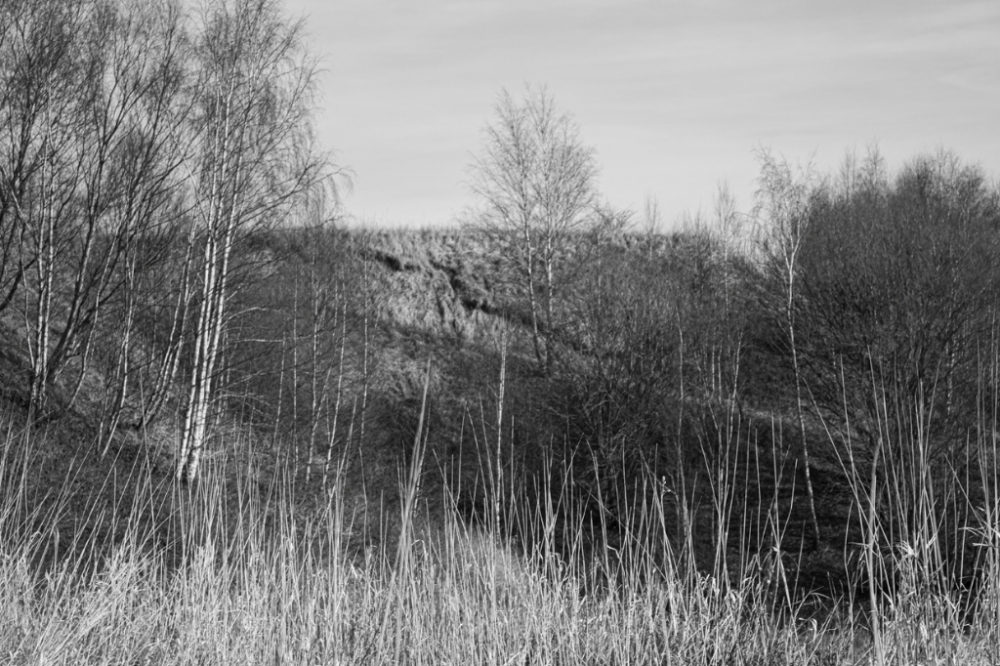
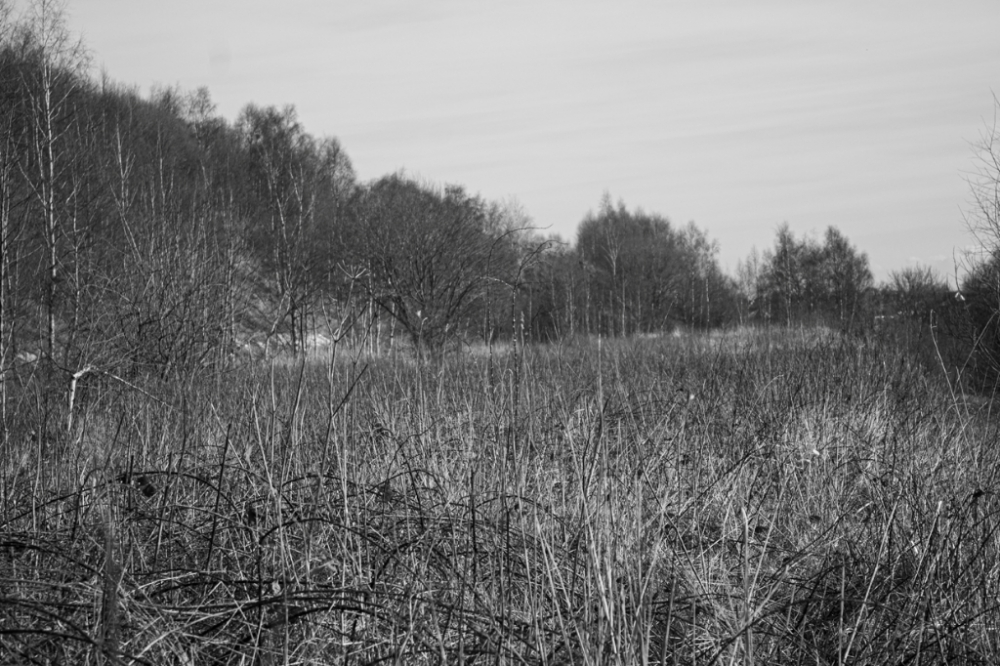
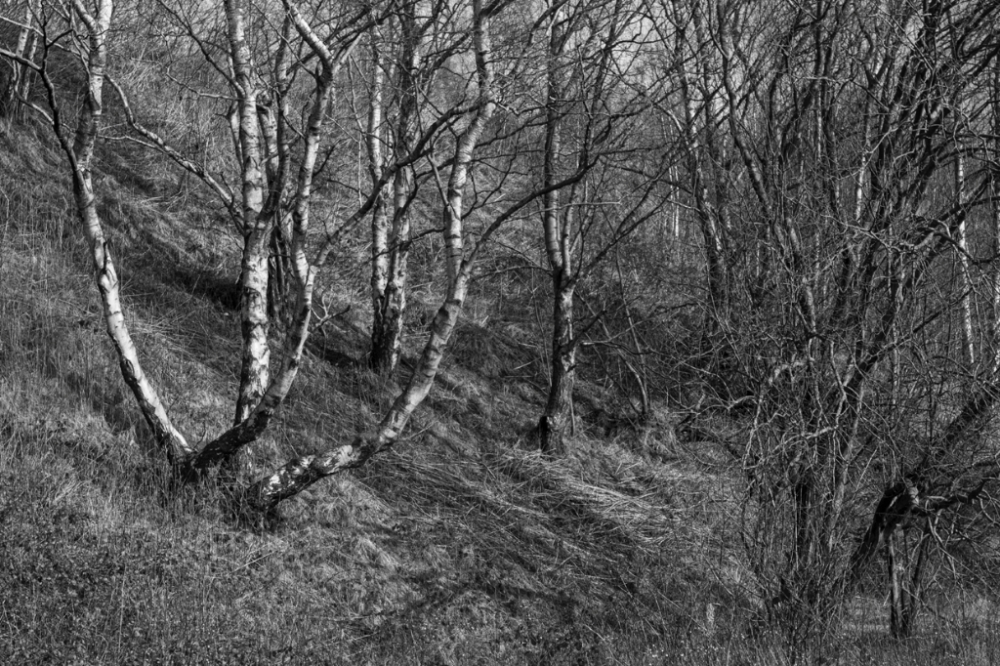
Credit: Philip Wilkinson
The Burgy Banks was formed from the waste material from the Pilkington glass making industry. Despite the contaminated earth, nature has found a way to reclaim its ownership on the land. The Banks has a high plant species diversity including locally important rare species.
The importance of the land is that trees (Silver Birch) have taken hold. Trees absorb harmful gases and dusts from the air and soil, such as carbon monoxide or nitrogen dioxide, and help reduce air pollution levels. They also clean water due to absorption through the soil.
The Burgy Banks cannot be removed as it would cost too much and there could be environmental airborne contamination to the surrounding areas. Better to enhance them with more waste to woodland programmes and possibly a filtration system around its base that cleans the water of arsenic, cadmium and leads.
Reed beds do the same thing and so more reed beds around the base would help the process and help clean the St Helens Canal (Gerards Bridge Section).
The importance of the land is that trees (Silver Birch) have taken hold. Trees absorb harmful gases and dusts from the air and soil, such as carbon monoxide or nitrogen dioxide, and help reduce air pollution levels. They also clean water due to absorption through the soil.
The Burgy Banks cannot be removed as it would cost too much and there could be environmental airborne contamination to the surrounding areas. Better to enhance them with more waste to woodland programmes and possibly a filtration system around its base that cleans the water of arsenic, cadmium and leads.
Reed beds do the same thing and so more reed beds around the base would help the process and help clean the St Helens Canal (Gerards Bridge Section).
Item added : 27th May 2025
by Philip Wilkinson
by Philip Wilkinson


